Tokens & Medals

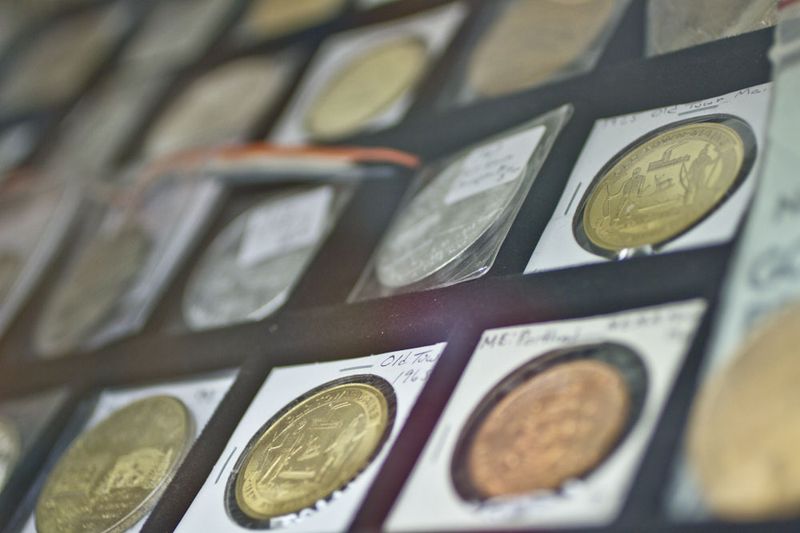
In the study of numismatics, tokens are coin-like objects used instead of coins. The field of tokens is part of exonumia. Tokens are used in place of coins and either have a denomination shown or implied by size, color or shape. "Tokens" are often made of cheaper metals: copper, pewter, aluminium, brass and tin were commonly used, while bakelite, leather, porcelain, and other less durable materials are also known.

The key point of difference between a token and a coin is that a coin is issued by a governmental local or national authority and is freely exchangeable for goods or other coins, whereas a token has a much more limited use and is often (but not always) issued by a private company, group, association or individual.

In the case of "currency tokens" issued by a company but also recognized by the State there is a convergence between tokens and currency. The best known example, the trade tokens of Strachan and Company, were issued in South Africa in 1874 and are today recognized as that country's first widely circulating indigenous currency.
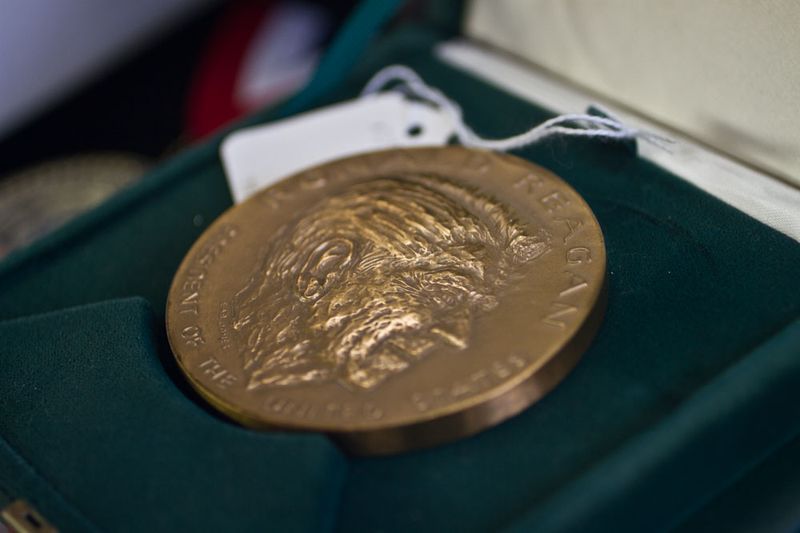
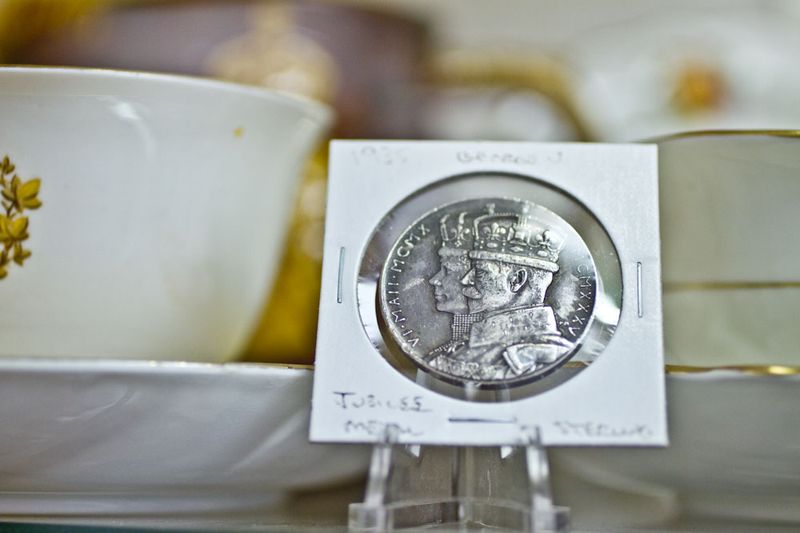
A Medal, or Medallion, is generally a circular object that has been sculpted, molded, cast, struck, stamped or some way rendered with an insignia, portrait or other artistic rendering. A medal may be awarded to a person or organization as a form of recognition for athletic, military, scientific, academic or various other achievements. Medals may also be created to commemorate particular individuals or events, or even as works of artistic expression in their own right; artists who focus their talents on the creation of medals or medallions are termed a medalist. There are also devotional medals which may be worn as a matter of religious faith. Medals are popular collectible items either as a form of exonumia or of militaria phaleristics.